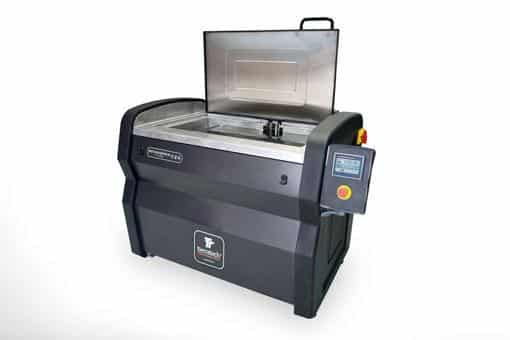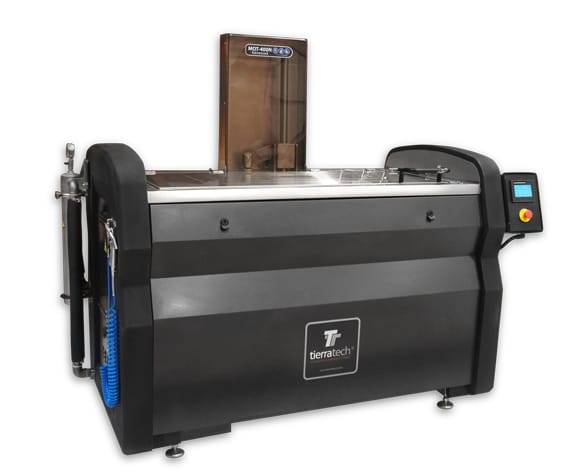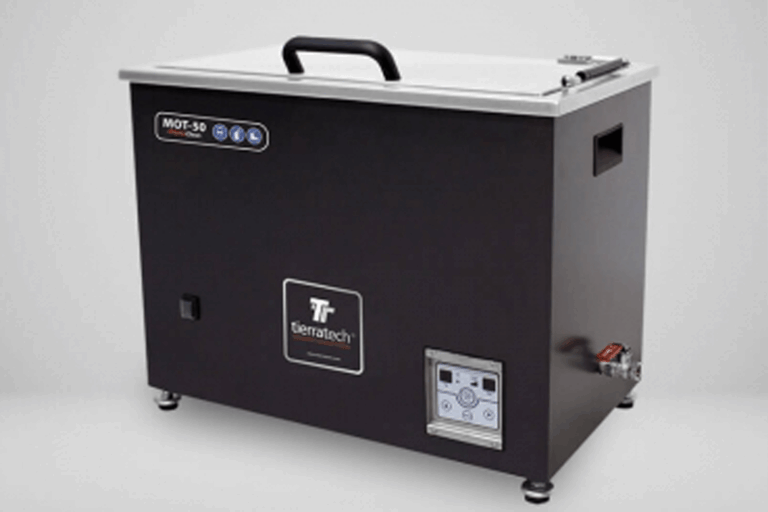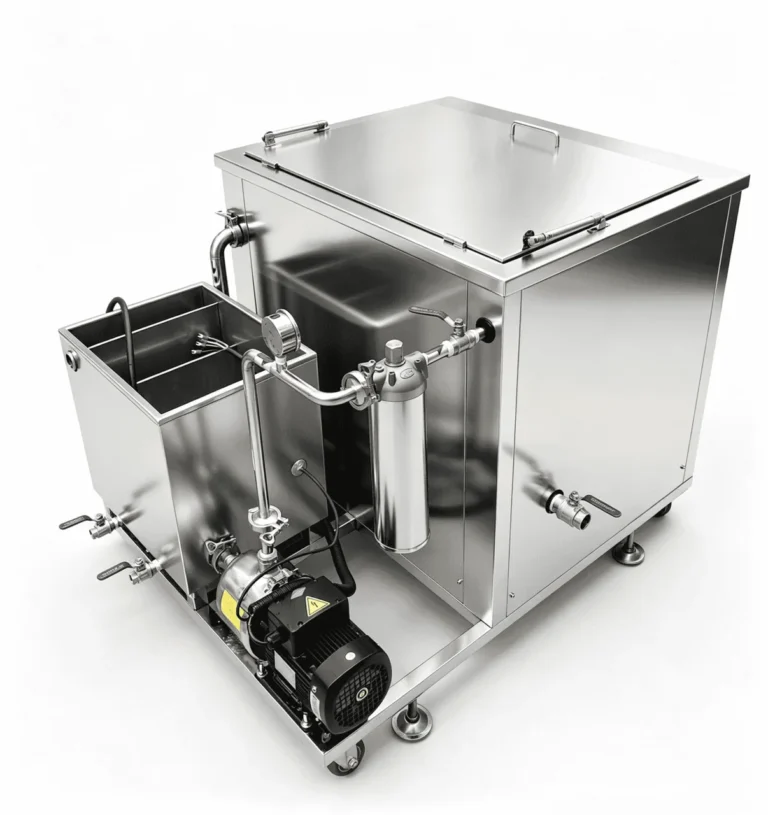
Industrial ultrasonic cleaners for precision cleaning of metal, glass, and electronic components in manufacturing and laboratory environments.

Ultrasonic Cleaners for Industrial Use

Ultrasonic cleaners are one of the most effective and reliable solutions for removing dirt, grease, oil, and microscopic contaminants from a wide range of materials. Using high-frequency sound waves transmitted through a liquid, ultrasonic cleaners create millions of microscopic bubbles that implode and release energy, gently lifting contaminants from surfaces — even in hard-to-reach areas that manual or traditional cleaning methods cannot access. This process delivers consistent and thorough cleaning results across complex shapes, small components, and delicate parts.

Key Factors to Consider

1. Size and Capacity
When selecting an ultrasonic cleaner, start by determining the size and quantity of the items you intend to clean. The tank should comfortably accommodate your components without overcrowding, allowing the ultrasonic energy to circulate evenly. Proftek offers models ranging from small bench-top units to large industrial tanks, including 75-litre systems suitable for heavy-duty use.

2. Frequency
Ultrasonic cleaners operate at various frequencies, typically between 25 kHz and 80 kHz. Lower frequencies (25–40 kHz) generate larger bubbles and more intense cleaning action, ideal for robust items like mechanical parts, tools, and automotive components. Higher frequencies (40–80 kHz) produce gentler cavitation, perfect for precision instruments, electronic assemblies, and delicate surfaces such as glass or medical instruments.

3. Power Output
The cleaning power, measured in watts, directly affects cleaning performance. A higher wattage ensures stronger cavitation and faster results but may also produce more heat. It’s important to balance power with the nature of the materials being cleaned. Proftek’s ultrasonic cleaners are designed to provide optimal performance without risking damage to sensitive items.

4. Heating Capability
Many industrial ultrasonic cleaners feature integrated heaters to improve cleaning efficiency. Heating the cleaning solution helps dissolve oils, waxes, and stubborn contaminants more effectively, reducing cleaning time and improving overall performance.

5. Cleaning Solution Compatibility
Selecting the right cleaning fluid is crucial. Most ultrasonic cleaners can operate with water-based detergents or specialised solvents designed for specific applications. Always ensure compatibility with both the cleaning tank and the items being cleaned to avoid corrosion or surface damage.

6. Features and Controls
Modern ultrasonic cleaners include a variety of convenient features such as digital timers, temperature control, and sweep or degas functions. These controls enhance the precision of the cleaning process, ensuring repeatable and consistent results in laboratory, medical, or industrial environments.

Choosing the Right Ultrasonic Cleaner for Your Application

The best ultrasonic cleaner depends on the type of contaminants, the material composition of your components, and the required cleaning precision. For example, a high-frequency cleaner with moderate power is ideal for printed circuit boards or fine mechanical parts, while a low-frequency, high-power model is better suited for engine components and heavy-duty maintenance.

Proftek proudly supplies Tierra Tech ultrasonic cleaners across Australia and New Zealand, providing top-quality, energy-efficient systems for industrial, laboratory, and maintenance applications. By considering the factors above, you can select a Tierra Tech ultrasonic cleaner from Proftek that guarantees safe, efficient, and thorough cleaning performance tailored to your operational needs.


Contact Proftek today to learn more about this product and how it can support your application.


Your Partner in Advanced Engineering Solutions

41/51 Wentworth Ave, Pagewood,
NSW 2035
Sales@prof-tek.com


FOLLOW US:

© 2025 Proftek Pty Ltd. All rights reserved.

Powered by BsharpTech

})