
Fluorinert vs Novec is now a replacement-planning question as well as a fluid comparison. If your cooling or thermal testing equipment uses one of these ranges, the exact grade matters more than the family name.
3M completed its exit from PFAS manufacturing at the end of 2025. For existing equipment and new projects, assess ongoing supply alongside technical performance. Do not specify Novec as a default for a new system simply because of its historical positioning.
The two ranges include fluids with different properties and intended uses. A fluid suitable for cleaning is not automatically suitable for contact with powered electronics.
Start with the grade specified by the equipment manufacturer. Compare the current technical data sheet and safety data sheet against the operating conditions. Boiling point, viscosity, electrical properties, material compatibility and environmental characteristics must be assessed for the individual fluid.
Record the fluid grade, equipment model, operating temperatures and reason for changing fluid. Include the seals, hoses, metals and plastics that contact it.
Ask the equipment manufacturer how a replacement affects performance, maintenance and warranty requirements. Plan the changeover before draining the system. Avoid mixing fluids unless the relevant manufacturers have confirmed compatibility for that use.
A single phase immersion system keeps its working fluid liquid during normal operation. A two phase system deliberately uses boiling and condensation. Each approach requires fluid properties that match the equipment design.
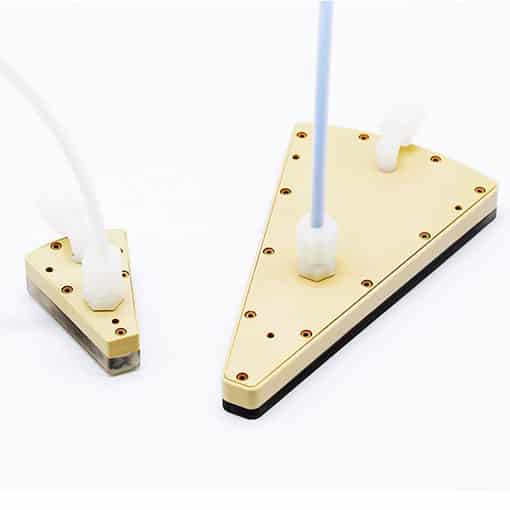
Direct liquid cooling uses a different arrangement, with coolant circulating through components such as cold plates. A fluid intended for immersion is not automatically appropriate for that loop.
Specify the operating conditions and approved fluid requirements with the equipment supplier before choosing a product. Confirm availability, maintenance requirements and the documentation for the proposed grade.
A low global warming potential does not, by itself, establish suitability for a system. Keep environmental claims tied to the named product and its supporting documentation.
Techspray identifies Precision-V 3649 as a replacement for Novec 649 and describes it as chemically identical. This is a specific manufacturer statement about those grades; it should not be extended to every Novec or Fluorinert application.
Use the latest manufacturer documentation and confirm suitability with your equipment supplier before changing fluid. Consult Techspray’s Precision-V 3649 product information.
Send the existing fluid grade, equipment model, operating temperature and application. Include any approval requirements and your intended changeover date. These details help identify which options warrant a closer technical review.
Explore industrial materials, immersion cooling equipment or direct liquid cooling equipment, then discuss your fluid requirements with ProfTek.