A megasonic cleaner is rarely a one-size-fits-all purchase. The same 1 MHz transducer technology can be packaged as a benchtop bath, a covered single-piece chamber, an inline spray, or a fully integrated production cell, and each format suits a different production line. This article walks through the four common configurations, the parameters that drive selection, and how to specify the right format for Australian electronics, medical, and precision-cleaning operations.
| Format | Throughput | Part Size | Footprint | Best For |
|---|---|---|---|---|
| Bath Type | Batch (5–20 parts) | Small to medium | Compact | R&D, low-volume production, prototyping |
| Cover Type | Single-piece (1 part) | Medium to large | Medium | High-value parts, validated cleaning cycles |
| Spray Type | Inline (continuous) | PCB or panel | Large | SMT post-reflow, volume production |
| Integrated Workstation | Variable | Project-specific | Largest | Medical device coating + cleaning + drying |
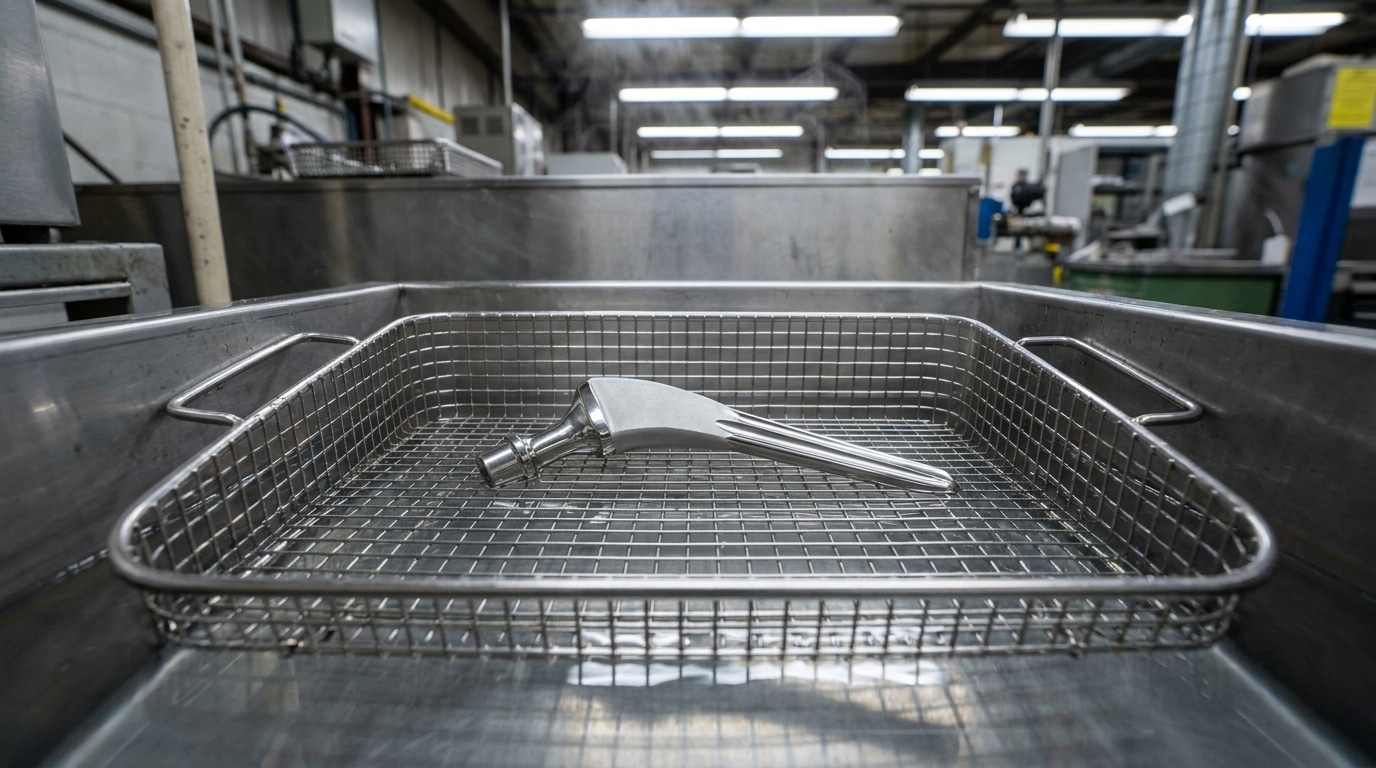
The benchtop bath is the most common entry point. Parts are loaded into a basket, lowered into a megasonic-energised liquid bath, and cleaned for a fixed cycle time (typically 1–10 minutes). After cleaning, the basket is removed, rinsed, and dried.
When bath type is right: R&D laboratories, prototype runs, validated cleaning procedures for medical devices in low-volume production, post-machining cleaning for precision components, and any application where the part geometry tolerates immersion.
Limitations: sequential batches cap throughput. Cross-contamination risk between batches if cleaning chemistry isn’t refreshed. Some delicate substrates (loose electronics, fluid-filled assemblies) may not tolerate full immersion.
The Megasonic Cleaner. Bath Type Precision from ProfTek is the workhorse model for Australian electronics and medical R&D labs.
Cover-type systems clean a single part per cycle. The part is placed on a fixture inside the chamber, the chamber is sealed, and a cleaning sequence runs, typically immersion, megasonic activation, rinse, and drying. The single-part design eliminates cross-contamination and supports tightly validated cycles.
When cover type is right: high-value parts where cleaning validation must be auditable per individual part. Medical implants, semiconductor wafers, optical components, and any process under cGMP, ISO 13485, or aerospace AS 9100 quality regimes.
Limitations: single-piece throughput is lower than batch. Per-part cycle time is the constraint. Floor footprint per unit-throughput is higher than bath.
The Megasonic Cleaner. Cover Type Precision is the ProfTek model for high-validation production environments.
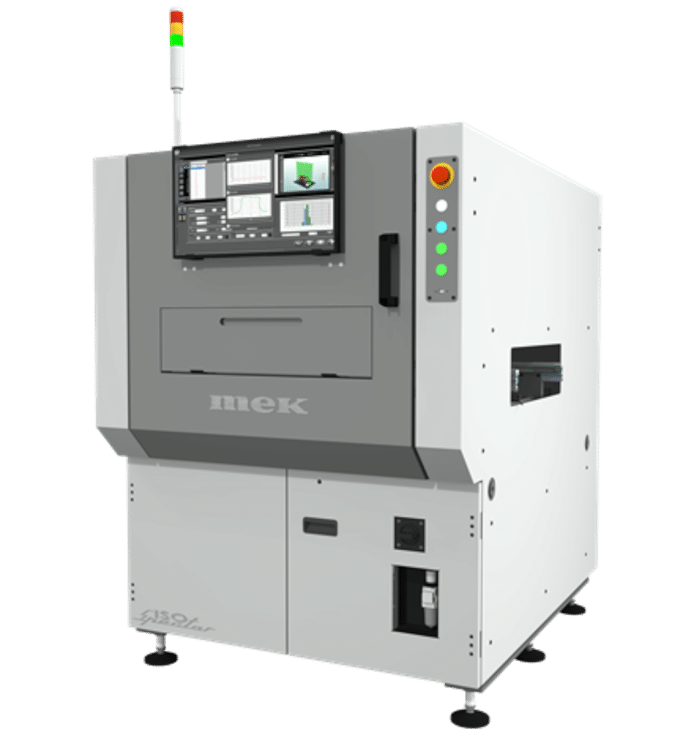
Inline spray systems integrate directly into a production conveyor. PCBs or panels pass through a chamber where megasonic-energised cleaning chemistry is sprayed onto both surfaces. The system feeds straight into rinse and drying stages, with no manual handling between operations.
When spray type is right: SMT post-reflow flux removal at volume, conformal-coating prep, and any continuous PCB production where line balance demands inline cleaning rather than batch.
Limitations: highest capital cost. Largest footprint. Requires integration with upstream/downstream automation. Chemistry refresh and waste handling are continuous, demands an EHS plan.
For medical device manufacturers running combined precision-clean + coat + dry sequences, integrated workstations bundle all operations into a single floor cell. ProfTek’s Benchtop Balloon Catheter Coating System is a typical example, ultrasonic cleaning, megasonic finish rinse, ultrasonic spray coating, and integrated drying in one validated cell.
Once format is selected, four additional parameters drive the final specification:
The cleaning chemistry has to be compatible with both the contaminant and the substrate. Vapour degreasing solvents (perchloroethylene, n-propyl bromide) require closed-loop solvent systems and are increasingly restricted under Australian environmental regulations. Aqueous and semi-aqueous chemistries are more common for current builds, but degrade faster and require monthly replacement.
For a full discussion of solvent selection, see Vapour Degreasing Solvents: 7 Best Choices for 2026.
To compare formats against your production target, do this calculation:
Spray throughput dominates for high-volume PCB. For medical or high-validation work, cover type’s per-part traceability outweighs raw throughput.
For the fundamental physics behind frequency selection, see How Megasonic Cleaning Works. For the broader question of when to use megasonic vs ultrasonic at all, see Megasonic vs Ultrasonic Cleaning.
ProfTek supplies the full Sir Safety + partner megasonic cleaner range across Australia and New Zealand. For a specification review against your specific production line, throughput target, and validation requirements, contact our engineering team with your part description, target throughput, and current cleaning chemistry.