AS/NZS 1891 is the Australian and New Zealand standard governing every component of an industrial fall protection system. It dictates when each component must be inspected, by whom, and when it must be retired. Get the inspection cycle wrong, and you’re running a non-compliant safety system, with measurable workers’ comp and prosecution risk.
This article gives you the full inspection schedule plus a usable checklist for harnesses, lanyards, energy absorbers, self-retracting lifelines (SRLs), and anchor systems. It’s intended for safety officers, site supervisors, and procurement teams managing rosters of working-at-height crews.
AS/NZS 1891.4 (Selection, Use, and Maintenance) requires three distinct inspection intervals:
Any component that has been involved in a fall arrest event must be removed from service immediately, regardless of when its next scheduled inspection is due. This is non-negotiable per Section 8 of the standard.
The wearer is responsible for the pre-use check. Train every user on these specific failure modes:
The six-month inspection is a formal, documented review by a “competent person”, defined under AS/NZS 1891 as someone with training in PPE inspection and familiarity with the specific equipment. Most large sites have an in-house competent person; smaller crews typically contract this out.
The inspection must be documented in a register with:
Failed components must be physically tagged out and removed from service, never returned to circulation, even temporarily.
The annual inspection requires a “qualified person”, typically a third-party certified inspector or the manufacturer’s authorised service provider. This is more rigorous than the six-month check and includes:
An expired annual certificate effectively retires the component from service until re-certified. Don’t let annual dates lapse, schedule them as recurring calendar entries with two-week buffer for the inspection service window.
Regardless of inspection schedule, retire the component immediately if:
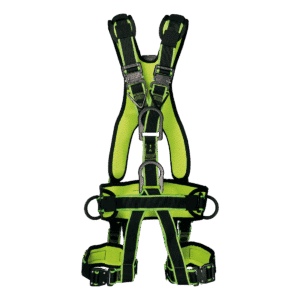
Most Sir Safety EN 361 harnesses have a 5-year service life from first issue, regardless of inspection result. Lanyards, SRLs, and anchors typically have a 10-year life from manufacture. Check the date label on every component and diary the retirement date alongside the next inspection.
The Sir Safety harness range from ProfTek includes registration tags and inspection logs for fleet management. Pre-assembled kits (climbing, roofing, maintenance) can be supplied with matched component lifecycles to simplify scheduling.
For sites managing 10+ harnesses and the associated kit, build the inspection system around three structures:
Spreadsheet works for fleets up to ~50 components. Beyond that, dedicated PPE inspection software (or even a shared Notion/Airtable workspace) saves significant time and reduces compliance risk.
ProfTek supplies the complete Sir Safety EN 361 / EN 354 / EN 360 / EN 362 / EN 355 / EN 795 fall protection range across Australia and New Zealand. For sites needing inspection-cycle support, we can connect you with qualified AS/NZS 1891.4 inspectors and supply replacement components matched to your retired stock.
Get in touch with your fleet size and roster, and we’ll set up an account with standing-order replenishment matched to your inspection schedule.